


Hey there! As a supplier of fan motors, I've been getting a lot of questions lately about how these nifty little devices actually work. So, I thought I'd take a few minutes to break it down for you in a way that's easy to understand.
First off, let's talk about the basics. A fan motor is essentially an electric motor that's designed to spin a fan blade. When the motor spins, it creates airflow, which is what makes the fan useful for cooling, ventilation, or just moving air around in a room.
There are a few different types of fan motors out there, but the most common ones are AC (alternating current) and DC (direct current) motors. AC motors are the ones you'll typically find in larger fans, like ceiling fans or industrial ventilation systems. They work by using the alternating current from your electrical outlet to create a rotating magnetic field. This magnetic field then interacts with the motor's rotor, causing it to spin.
DC motors, on the other hand, are often used in smaller fans, like table fans or computer fans. They're powered by a direct current, which can come from a battery or a power adapter. DC motors work by using an electromagnetic field to create a force that rotates the motor's shaft.
Now, let's take a closer look at how these motors actually work. In an AC motor, the stator (the stationary part of the motor) contains a series of coils of wire. When an alternating current is applied to these coils, it creates a magnetic field that alternates in direction. This alternating magnetic field then interacts with the rotor (the rotating part of the motor), which is made up of a series of magnets. The interaction between the magnetic fields causes the rotor to spin.
In a DC motor, the stator also contains coils of wire, but instead of an alternating current, it's powered by a direct current. When the direct current is applied to the coils, it creates a magnetic field that remains constant in direction. The rotor, which is also made up of magnets, is then attracted to the magnetic field created by the stator. This attraction causes the rotor to spin.
One of the key components of both AC and DC motors is the commutator. The commutator is a device that helps to reverse the direction of the current flowing through the motor's coils at just the right time. This is important because it allows the motor to keep spinning in the same direction.
Another important component of a fan motor is the bearings. The bearings are what allow the rotor to spin smoothly and without friction. They're typically made of a hard, durable material, like steel or ceramic, and they're designed to last for a long time.
Now that you have a basic understanding of how fan motors work, let's talk about some of the different types of fan motors that we offer as a supplier. One of our most popular products is the BLDC Table Fan Motor. This motor is a brushless DC motor, which means it's more efficient and reliable than traditional DC motors. It also produces less noise and vibration, making it ideal for use in table fans.
Another popular product is the Extractor Fan Motor. This motor is designed specifically for use in extractor fans, which are used to remove stale air and odors from kitchens, bathrooms, and other areas. It's a high-performance motor that's capable of moving a large volume of air quickly and efficiently.
Finally, we also offer the Axia Fan Motor. This motor is designed for use in axial fans, which are used to move air in a straight line. It's a powerful motor that's capable of producing a high volume of airflow at a relatively low noise level.

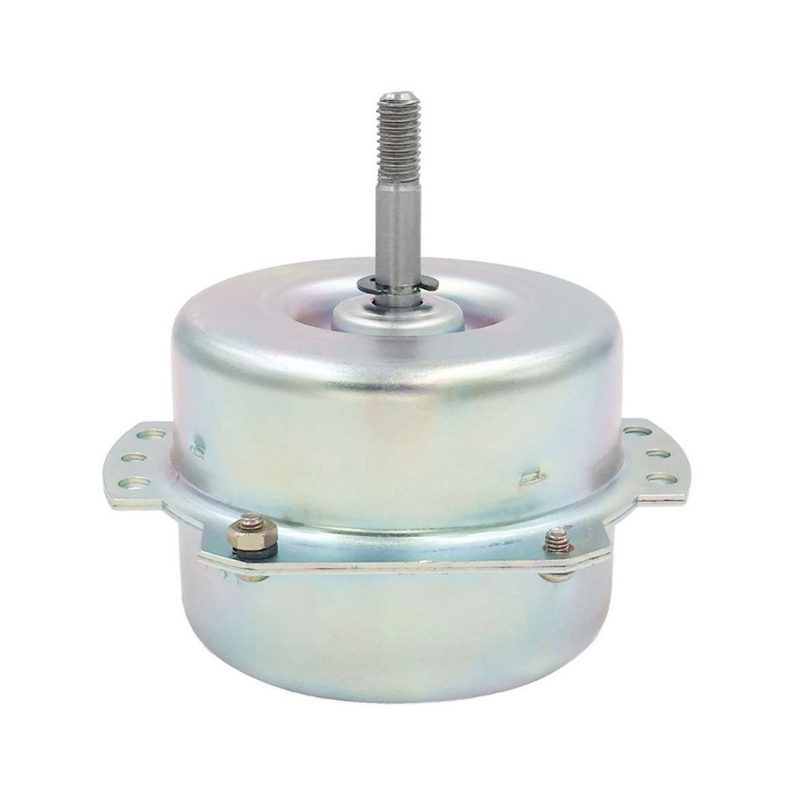
So, there you have it! That's a basic overview of how fan motors work and some of the different types of fan motors that we offer as a supplier. If you have any questions or if you're interested in learning more about our products, please don't hesitate to contact us. We'd be happy to help you find the right fan motor for your needs.
References:
- "Electric Motors and Drives: Fundamentals, Types, and Applications" by Austin Hughes
- "The Art of Electronics" by Paul Horowitz and Winfield Hill


