


Efficiency is a critical factor when it comes to small electric motors. As a supplier of small electric motors, I've witnessed firsthand the significance of efficiency in various applications. In this blog, we'll delve into what efficiency means for small electric motors, its importance, and how it impacts different industries.
Understanding Efficiency in Small Electric Motors
Efficiency in small electric motors is defined as the ratio of the output power to the input power. In simpler terms, it measures how effectively the motor converts electrical energy into mechanical energy. A highly efficient motor will waste less energy in the form of heat and vibration, resulting in more power being used for the intended task.
Mathematically, efficiency (η) is expressed as:
[ \eta = \frac{P_{out}}{P_{in}} \times 100% ]
where ( P_{out} ) is the output power and ( P_{in} ) is the input power.
For example, if a small electric motor has an input power of 100 watts and an output power of 80 watts, its efficiency is ( \frac{80}{100} \times 100% = 80% ). This means that 80% of the electrical energy is converted into useful mechanical energy, while the remaining 20% is lost as heat and other forms of energy.

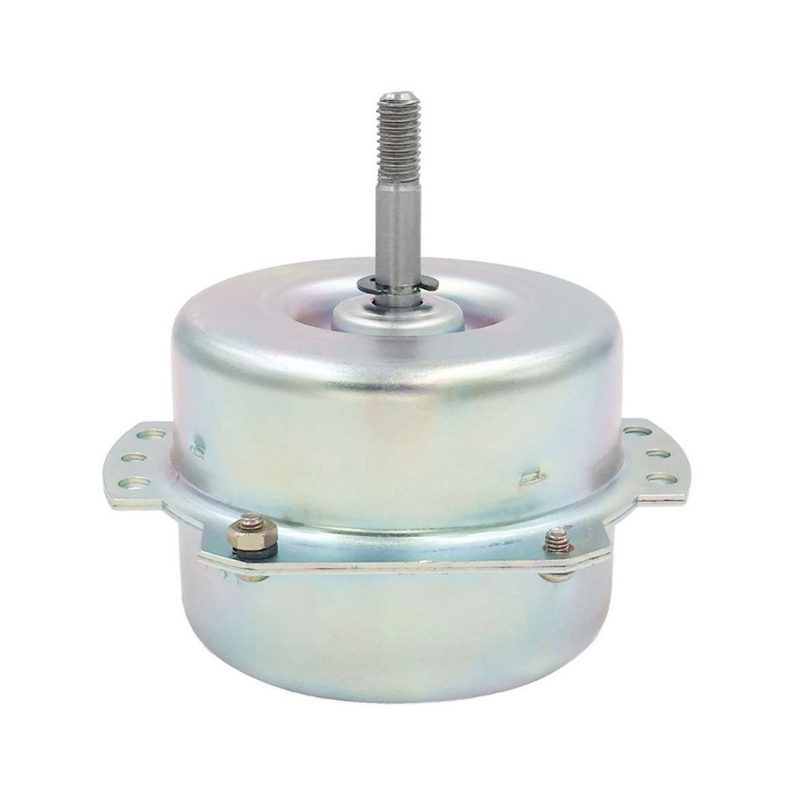
Importance of Efficiency
Energy Savings
One of the primary benefits of high - efficiency small electric motors is energy savings. In today's world, where energy costs are rising and environmental concerns are at the forefront, using efficient motors can significantly reduce electricity consumption. For industrial applications, where motors are used continuously, even a small increase in efficiency can lead to substantial cost savings over time.
Environmental Impact
Efficient motors also have a positive environmental impact. By consuming less energy, they reduce the demand for fossil fuels, which in turn decreases greenhouse gas emissions. This is in line with global efforts to combat climate change and promote sustainable development.
Performance and Reliability
High - efficiency motors tend to run cooler and experience less wear and tear compared to less efficient ones. This results in improved performance and longer service life. A motor that operates at a lower temperature is less likely to suffer from overheating, which can cause damage to the motor windings and other components.
Factors Affecting the Efficiency of Small Electric Motors
Motor Design
The design of the motor plays a crucial role in its efficiency. Factors such as the type of winding, the material used for the core, and the shape of the motor can all impact efficiency. For example, using high - quality copper windings can reduce resistance and improve the flow of electricity, leading to higher efficiency.
Load Conditions
The efficiency of a small electric motor is also affected by the load it is operating under. Motors are typically designed to operate at a specific load range, and operating outside of this range can reduce efficiency. For instance, if a motor is under - loaded, it may not be operating at its optimal efficiency point.
Maintenance
Proper maintenance is essential for maintaining the efficiency of small electric motors. Regular cleaning, lubrication, and inspection can prevent issues such as dirt buildup, bearing wear, and electrical problems, all of which can reduce efficiency.
Applications of Small Electric Motors and Efficiency
Home Appliances
Small electric motors are widely used in home appliances such as fans, refrigerators, and washing machines. In these applications, efficiency is crucial for reducing energy consumption and operating costs. For example, a Axia Fan Motor with high efficiency can provide the same amount of airflow while using less electricity, resulting in lower energy bills for the consumer.
Industrial Equipment
In industrial settings, small electric motors are used in a variety of equipment, including conveyor belts, pumps, and compressors. High - efficiency motors can improve the overall productivity of the industrial process by reducing energy costs and downtime. A Plastic Encapsulated Fan Motor can be used in industrial cooling applications, where its efficiency can contribute to the smooth operation of the equipment.
Automotive Industry
The automotive industry also relies on small electric motors for various functions, such as power windows, windshield wipers, and HVAC systems. Efficiency in these motors is important for improving fuel economy and reducing emissions. A Tower Fan Motor can be used in automotive climate control systems, providing efficient cooling while minimizing power consumption.
Measuring and Improving Efficiency
Measuring Efficiency
To measure the efficiency of a small electric motor, specialized equipment such as power analyzers and dynamometers can be used. These tools can accurately measure the input and output power of the motor, allowing for the calculation of efficiency.
Improving Efficiency
There are several ways to improve the efficiency of small electric motors. One approach is to use advanced motor control techniques, such as variable frequency drives (VFDs). VFDs can adjust the speed of the motor based on the load requirements, resulting in significant energy savings. Another way is to use high - quality materials and components in the motor design, as mentioned earlier.
Conclusion
Efficiency is a key consideration when it comes to small electric motors. As a supplier, we understand the importance of providing high - efficiency motors to our customers. Whether it's for home appliances, industrial equipment, or automotive applications, our motors are designed to deliver optimal performance while minimizing energy consumption.
If you're in the market for small electric motors and are interested in learning more about our products, we invite you to reach out to us for a procurement discussion. Our team of experts is ready to assist you in finding the right motor for your specific needs.
References
- Chapman, S. J. (2012). Electric Machinery Fundamentals. McGraw - Hill.
- Fitzgerald, A. E., Kingsley, C., & Umans, S. D. (2003). Electric Machinery. McGraw - Hill.


