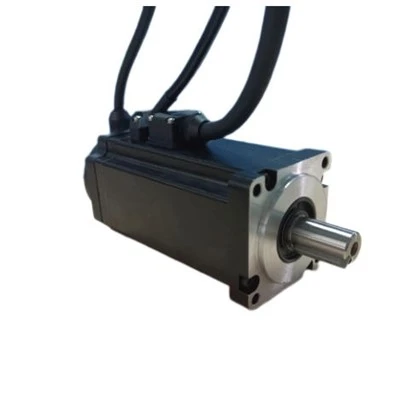
In the market for heater blower motors, a common question that often pops up is, “Are all heater blower motors the same?” Well, let me tell you, as a supplier in this field, the answer is a resounding no. These motors, despite their shared goal of circulating air for heating, come in all shapes, sizes, and specifications.
First off, one of the most obvious differences is the physical size. You’ve got tiny motors that can fit snugly into little personal heaters, and then you've got industrial - sized monsters that are designed to heat up large warehouses or commercial buildings. The small ones are like the little champs, using less energy and taking up very little space. They're perfect for things like portable electric heaters you might use in your office or a small bedroom. For instance, an Electric Heater Fan Motor is often engineered to be compact while still providing enough airflow for a cozy spot.
On the flip side, large - scale heater blower motors are beasts. They need to move a huge volume of air over long distances. These are built with heavy - duty components to handle the high - pressure and high - volume demands. Their construction is sturdier, and they typically require more electrical power to operate.
Another key difference lies in the power consumption. Energy - efficient motors are becoming more and more popular, especially with the rising cost of electricity and the growing awareness of environmental issues. Some heater blower motors are designed to use as little power as possible while still achieving the desired heating effect. These energy - saving motor models are great for both homeowners looking to cut down on their utility bills and businesses aiming to reduce their operational costs.
On the other hand, there are motors that sacrifice a bit of energy efficiency for sheer performance. These high - powered motors can quickly heat up large areas, but they'll also gobble up electricity. It all boils down to the user's specific needs. If you're in a hurry to heat a big hall for a short - term event, a high - power motor might be the way to go. But for continuous, long - term use in a small space, an energy - efficient option is a better choice.
The type of airflow and blow pattern is also diverse among heater blower motors. Some motors are designed to produce a concentrated, direct stream of air. This is useful in heaters where you want to direct the heat exactly where you need it, like a spot heater for a workbench. Other motors create a wide, diffuse airflow. These are ideal for whole - room heaters, as they can distribute the warm air evenly throughout the space.
The noise level is another crucial factor that varies from one motor to another. In a quiet environment like a bedroom or a library, a noisy motor can be a real nuisance. Many modern heater blower motors are engineered with noise - reduction features. They use advanced insulation materials and precision - engineered fan blades to minimize the sound they produce. However, in industrial settings where noise isn't as big of an issue, the focus might be more on performance rather than quiet operation.
When it comes to durability, not all heater blower motors are created equal. Motors used in harsh industrial environments need to be extremely tough. They're made with corrosion - resistant materials and are built to withstand high temperatures, dust, and vibrations. Residential motors, while still reliable, don't need to be as rugged. They're usually designed for normal household use, with less exposure to extreme conditions.
The control options also differ. Some heater blower motors come with basic on - off switches, while others have more advanced controls. You might find motors with variable speed settings, allowing you to adjust the airflow and heat output according to your needs. There are even smart motors that can be controlled via a smartphone app or integrated with a home automation system.
Now, let's touch on the compatibility with different heating systems. There are motors designed specifically for use with electric heaters, gas heaters, or oil - filled heaters. For example, an Electric Air Heater Blower Motor is optimized for use in electric heating units. It has the right electrical specifications and airflow characteristics to work efficiently with an electric heating element. Motors used in gas heaters, on the other hand, need to be designed to handle the unique requirements associated with gas combustion, such as proper ventilation.
As a heater blower motor supplier, I understand that choosing the right motor can be a daunting task. That's why we offer a wide range of products to meet different needs. Whether you're looking for a small, energy - efficient Heater Blower Fan Motor for your home or a heavy - duty motor for industrial use, we've got you covered.


Our team of experts is always ready to help you navigate through the options. We can assist you in selecting the motor that best suits your specific application, whether it's based on size, power, airflow, or any other requirements. We pride ourselves on providing high - quality products at competitive prices.
If you're in the market for a heater blower motor, whether for a new project or to replace an old one, we'd love to have a chat. Contact us to start a conversation about your needs. We're confident that we can find the perfect motor solution for you.
References
- Industry research on heater blower motor technology trends
- Product specifications and datasheets from leading motor manufacturers