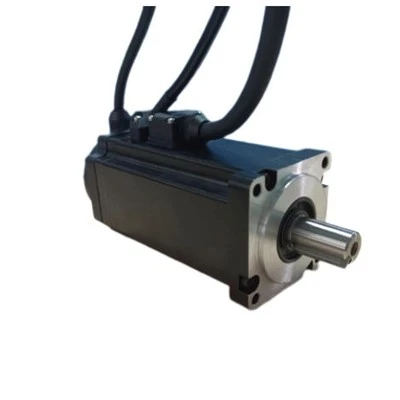
As a supplier of Dehumidifier Motors, I often get asked about the potential of these motors in other applications. Dehumidifier motors are engineered to work efficiently under specific conditions, but their design and capabilities open up possibilities beyond just dehumidifying. In this blog, let's explore whether a dehumidifier motor can be used in other applications and the factors to consider.
Understanding Dehumidifier Motors
Dehumidifier motors are typically compact, high - efficiency electric motors. Their main function is to drive the fan or compressor in a dehumidifier, facilitating the process of removing moisture from the air. These motors are designed to operate continuously for long periods, as dehumidifiers often need to run non - stop in humid environments. They are also built to be energy - efficient, as users usually aim to minimize electricity costs, especially when using the dehumidifier extendedly. The motors are engineered to provide a stable and consistent airflow, which is crucial for the proper functioning of the dehumidification process.
Potential Alternative Applications
Bathroom Ventilation
Bathrooms are areas that generate a large amount of moisture, which can lead to issues such as mold growth and peeling paint. The Bathroom Exhaust Motor is supposed to remove this moist air. A dehumidifier motor can potentially be used in bathroom ventilation systems. The continuous - running nature of dehumidifier motors aligns well with the need to keep the bathroom air fresh and dry.
Moreover, the stable airflow provided by dehumidifier motors can effectively remove the steam and odors generated during bathing. However, there are some considerations. Bathroom environments can be more prone to water splashes and higher humidity compared to the general environment in which dehumidifiers operate. So, the motor may need to be protected with additional waterproofing or moisture - resistant measures to ensure its longevity.
Kitchen Ventilation
In the kitchen, the Cooker Extractor Fan Motor plays a crucial role in removing cooking fumes, odors, and heat. Dehumidifier motors can be a candidate for this application. They can provide the necessary airflow to extract the unwanted substances from the kitchen.
The efficiency of dehumidifier motors also means that they can operate for long periods during cooking sessions without consuming excessive energy. But, the motor will be exposed to grease and high temperatures in the kitchen. Grease can clog the motor's components and affect its performance, while high temperatures can cause overheating. Therefore, proper filtration systems and heat - dissipation mechanisms need to be in place if a dehumidifier motor is used in a kitchen ventilation system.
Small - scale Air Circulation
In some small enclosed spaces like closets or storage rooms, a dehumidifier motor can be used to promote air circulation. This can help prevent the build - up of stale air, moisture, and musty odors. Since dehumidifier motors are small and relatively quiet, they can be easily installed in these spaces without causing much disruption. They can create a gentle airflow that helps maintain a more pleasant environment.
Factors to Consider When Using Dehumidifier Motors in Other Applications
Power Requirements
Different applications have different power needs. For example, a bathroom exhaust system may require more power to remove the moist air effectively, while a small closet air - circulation system may need less. As a Dehumidifier Motor supplier, we can provide motors with different power ratings. It's essential to match the motor power to the specific requirements of the application to ensure optimal performance.
Environmental Conditions
As mentioned earlier, the environment in which the motor operates can significantly affect its performance and lifespan. Applications in bathrooms, kitchens, or other high - humidity or high - temperature areas require additional protection for the motor. This may involve using waterproof coatings, heat - resistant materials, or proper ventilation around the motor to prevent overheating.
Noise Level
In applications such as home ventilation systems, noise can be a significant concern. Dehumidifier motors are generally designed to operate quietly, but the specific application may have even stricter noise requirements. For example, in a bedroom or a study area, a motor that produces too much noise can be a nuisance. Therefore, it's important to consider the noise level and choose a motor that meets the acceptable standards of the application.
Compatibility with Other Components
When using a dehumidifier motor in a different application, it must be compatible with the other components of the system. For example, in a ventilation system, the motor needs to work well with the fan blades and the ductwork. The size, shape, and rotation speed of the motor must be compatible with these components to ensure efficient operation.


Advantages of Using Dehumidifier Motors in Other Applications
Cost - effectiveness
Dehumidifier motors are often mass - produced, which can result in lower costs compared to motors specifically designed for other applications. This cost - effectiveness can be an attractive factor for those looking to build a ventilation or air - circulation system on a budget.
Proven Reliability
Since dehumidifier motors are designed to work continuously for long periods, they are generally reliable. Using a dehumidifier motor in another application can bring this reliability to the new system, reducing the risk of breakdowns and costly repairs.
Energy Efficiency
Energy efficiency is a key feature of dehumidifier motors. By using these motors in other applications, users can potentially save on energy costs. This is especially important for applications that require continuous operation, such as ventilation systems.
Conclusion
In conclusion, a dehumidifier motor can be used in other applications, including bathroom and kitchen ventilation, as well as small - scale air circulation. However, several factors such as power requirements, environmental conditions, noise level, and compatibility with other components need to be carefully considered. As a Dehumidifier Motor supplier, we have a wide range of motors that can be suitable for different applications. If you are considering using a dehumidifier motor in your project, we are here to help you make the right choice. Contact us for more information and to discuss your specific requirements. We can provide you with detailed product specifications and technical support to ensure that the motor meets your needs. Let's work together to find the best solution for your application.
References
- "Electric Motor Handbook", McGraw - Hill
- "HVAC Systems Design and Installation Guide", ASHRAE Publications