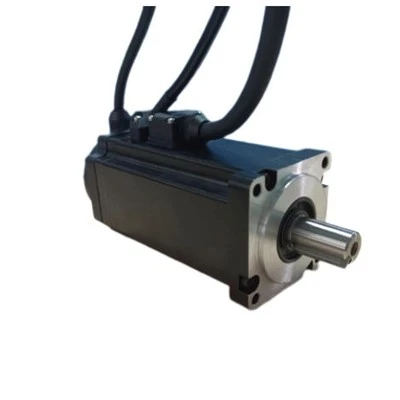
Hey there! As a supplier of neodymium magnet motors, I often get asked a bunch of questions. One question that pops up quite a bit is whether these motors can operate in low - temperature environments. So, let's dig into this topic and find out what's what.
First off, let's understand what neodymium magnet motors are. Neodymium magnets are super strong permanent magnets made from an alloy of neodymium, iron, and boron. These magnets are used in motors because they can generate a powerful magnetic field, which in turn helps the motor to produce high torque and operate efficiently. We offer a variety of neodymium magnet motors, like DC Motors for Metal Rolling Mills, Brushless DC Electric Motor for Robotics, and Disc Magnet Motors.
Now, let's talk about low - temperature environments. Low temperatures can have a significant impact on the performance of any motor, and neodymium magnet motors are no exception. When the temperature drops, the physical and electrical properties of the materials in the motor can change.
One of the main things to consider is the effect of low temperatures on the neodymium magnets themselves. Neodymium magnets have a property called the Curie temperature. The Curie temperature is the temperature above which a magnet loses its permanent magnetic properties. For neodymium magnets, the Curie temperature is usually around 310 - 400°C. This means that at normal low - temperature conditions, the magnets won't lose their magnetism completely.
However, as the temperature decreases, the magnetic properties of neodymium magnets can change in a more subtle way. The coercivity of the magnet, which is a measure of how resistant the magnet is to demagnetization, can increase slightly at low temperatures. This might seem like a good thing at first, but it can also lead to some issues. For example, if the motor is designed to operate within a certain range of magnetic properties, an increase in coercivity can cause the motor to draw more current to achieve the same level of performance. This can lead to higher energy consumption and potentially overheating if the motor isn't properly designed to handle it.


Another aspect to consider is the effect of low temperatures on the electrical components of the motor. The resistance of the copper windings in the motor can change with temperature. As the temperature drops, the resistance of the copper decreases. This might seem beneficial as it could potentially reduce power losses in the windings. But, it can also affect the overall electrical characteristics of the motor. The motor's control system, which is designed to work with a specific resistance value, might not function as expected when the resistance changes. This can lead to issues with speed control, torque regulation, and overall motor performance.
The lubricants used in the motor bearings are also affected by low temperatures. Lubricants become more viscous at low temperatures, which means they flow less easily. This can increase the friction in the bearings, leading to higher mechanical losses and potentially reducing the motor's efficiency. In extreme cases, the increased friction can even cause the bearings to seize up, which would completely stop the motor from working.
Now, does this mean that neodymium magnet motors can't operate in low - temperature environments? Not at all! With proper design and precautions, these motors can be made to work well in cold conditions.
For the magnets, special coatings can be applied to protect them from the cold and any potential moisture in the environment. These coatings can prevent corrosion and help maintain the magnetic properties of the magnets. Motor manufacturers can also select magnets with specific magnetic properties that are more stable at low temperatures.
When it comes to the electrical components, the motor's control system can be designed to compensate for the changes in resistance due to temperature. Advanced control algorithms can adjust the motor's input signals based on the measured temperature to ensure consistent performance.
To deal with the lubrication issue, special low - temperature lubricants can be used. These lubricants are formulated to maintain their fluidity even at very low temperatures, reducing the friction in the bearings and ensuring smooth operation of the motor.
In some applications where the motor is exposed to extremely low temperatures, like in Arctic research stations or high - altitude aircraft, additional heating elements can be installed in the motor. These heating elements can keep the motor at a suitable operating temperature, ensuring that all its components function properly.
In conclusion, while neodymium magnet motors face some challenges in low - temperature environments, they can be made to operate effectively with the right design and precautions. If you're in need of neodymium magnet motors for an application in a cold environment, we're here to help. We have a team of experts who can work with you to select the right motor and make any necessary modifications to ensure it performs well in your specific conditions. Whether you're looking for DC Motors for Metal Rolling Mills, Brushless DC Electric Motor for Robotics, or Disc Magnet Motors, we've got you covered.
If you're interested in learning more about our neodymium magnet motors or have a specific application in mind, don't hesitate to reach out. We're always happy to have a chat and discuss how we can meet your motor needs.
References
- "Magnetism and Magnetic Materials" by David Jiles
- "Electric Motors and Drives: Fundamentals, Types and Applications" by Austin Hughes and Bill Drury