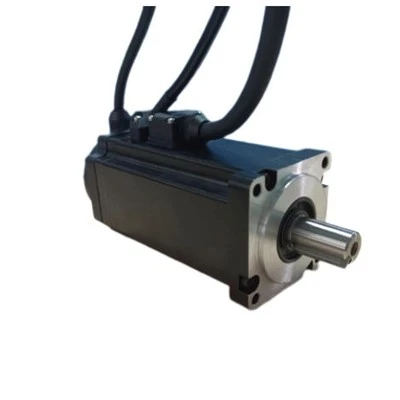
Hey there! I'm a supplier of Kitchen Vent Fan Motor, and I often get asked some pretty interesting questions from customers. One query that pops up quite a bit is, "Can a single-phase kitchen vent fan motor run on a three-phase power supply?" Let's dig into this topic and find out the answer.
First off, let's understand the basic difference between single-phase and three-phase power supplies. A single-phase power supply is what you typically find in most residential settings. It provides a simple, straightforward way to power household appliances. The voltage in a single-phase supply varies sinusoidally with time, and it supplies power through two wires – a live wire and a neutral wire.
On the other hand, three-phase power supplies are more commonly used in industrial and commercial applications. They consist of three alternating currents that are out of phase with each other by 120 degrees. This setup allows for a more efficient and continuous flow of power, and it's typically supplied through four wires – three live wires and a neutral wire.
Now, back to the main question: can a single-phase kitchen vent fan motor run on a three-phase power supply? The short answer is no, and here's why. Single-phase motors are designed to operate on the specific electrical characteristics of a single-phase power supply. They have a particular winding configuration and starting mechanism that is optimized for the single-phase voltage and current.
When you try to connect a single-phase motor to a three-phase power supply, several things can go wrong. First of all, the voltage and current levels in a three-phase supply are much different from what a single-phase motor can handle. The motor may experience overheating due to the excessive voltage and current, which can quickly damage the motor windings. This overheating not only shortens the lifespan of the motor but can also pose a safety hazard, such as a fire risk.
Secondly, the starting mechanism of a single-phase motor is not compatible with a three-phase power supply. Single-phase motors usually have a capacitor or other starting devices to create a phase shift and generate the necessary torque to start the motor. In a three-phase system, the phase shift is already built into the power supply, but the single-phase motor's starting system won't work properly in this environment. As a result, the motor may not start at all or may start in an erratic and inefficient manner.
However, there are some ways to make a single-phase motor work in a three-phase environment. One option is to use a phase converter. A phase converter is a device that takes in three-phase power and converts it into single-phase power. This way, you can safely connect your single-phase kitchen vent fan motor to a three-phase power supply. But keep in mind that using a phase converter adds an extra cost and another piece of equipment to maintain.
As a Kitchen Vent Fan Motor supplier, I always recommend using the right power supply for your motor. It's the best way to ensure the motor operates efficiently, lasts a long time, and most importantly, is safe to use. If you're in a commercial kitchen that has a three-phase power supply, I'd suggest looking into three-phase kitchen vent fan motors. They're specifically designed to work with three-phase power and offer better performance and reliability.
If you're in the market for a high-quality kitchen vent fan motor, we've got you covered. Our Kitchen Vent Fan Motor is designed with the latest technology to provide efficient and reliable ventilation for your kitchen. We also offer a range of other motors, such as HVAC Fan Motor and Humidifier Motor, to meet all your ventilation needs.
In addition to choosing the right power supply, there are other factors to consider when selecting a kitchen vent fan motor. The size of the motor is crucial. It needs to be powerful enough to move the required amount of air through the ventilation system. You also need to think about the noise level. A quiet motor is essential, especially in a residential kitchen where you don't want a noisy fan disturbing your cooking or dining experience.
Another important aspect is the motor's efficiency. An efficient motor will not only save you money on electricity bills but also reduce your carbon footprint. Our motors are designed with energy efficiency in mind, so you can enjoy a well-ventilated kitchen without breaking the bank.
If you have any more questions about kitchen vent fan motors or need help choosing the right one for your needs, don't hesitate to reach out. We're here to assist you every step of the way. Whether you're a homeowner looking to upgrade your kitchen ventilation or a commercial kitchen owner in need of a reliable motor, we've got the expertise and products to meet your requirements.
So, to sum it up, a single-phase kitchen vent fan motor is not designed to run on a three-phase power supply. It's best to use the appropriate power supply for your motor to ensure its proper functioning and safety. And if you're looking for top-quality motors, be sure to check out our Kitchen Vent Fan Motor and other related products.
If you're interested in starting a purchase or just want to learn more about our offerings, feel free to contact us. We're eager to have a chat with you about how we can meet your specific needs and provide the best kitchen vent fan motor solutions.


References
- Electrical Engineering textbooks on power systems and motor operation.
- Manufacturer's manuals for single-phase and three-phase motors.