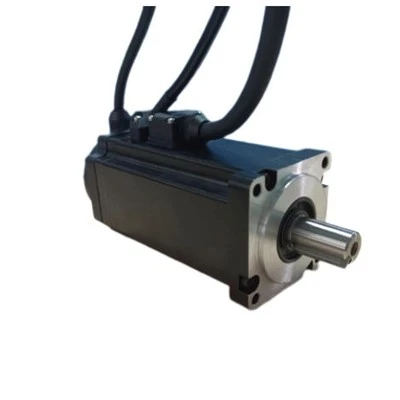
Hey there! As an HVAC Fan Motor supplier, I've seen my fair share of issues with these motors. Today, I'm gonna share some common repair methods for an HVAC fan motor. These tips can save you a lot of hassle and money, so let's dive right in!
1. Check the Power Supply
The first thing you gotta do when your HVAC fan motor isn't working is to check the power supply. It might sound simple, but a lot of times, the problem is just a loose connection or a tripped breaker.
- Inspect the Wiring: Look for any loose, frayed, or damaged wires. If you find any, you can try to repair them with electrical tape or replace the wires if they're too damaged. Make sure to turn off the power before you start working on the wiring to avoid any electrical shocks.
- Check the Breaker: Go to your electrical panel and see if the breaker for the HVAC system has tripped. If it has, flip it back on. But if it keeps tripping, there might be a more serious problem with the motor or the wiring.
2. Lubricate the Motor
Over time, the bearings in the HVAC fan motor can get dry and start to make noise or run less efficiently. Lubricating the motor can help reduce friction and extend its lifespan.
- Find the Lubrication Ports: Most HVAC fan motors have lubrication ports. They're usually small holes on the side of the motor. You can use a lubricating oil specifically designed for electric motors.
- Add the Oil: Put a few drops of oil into each lubrication port. Don't overdo it, though, as too much oil can cause problems too. After adding the oil, let the motor run for a while to distribute the oil evenly.
3. Clean the Motor and Fan Blades
Dirt, dust, and debris can build up on the motor and fan blades, causing the motor to work harder and potentially overheat. Cleaning them regularly can keep the motor running smoothly.


- Remove the Blades: First, turn off the power and remove the fan blades. You can usually do this by loosening a few screws.
- Clean the Blades and Motor: Use a soft brush or a cloth to gently clean the blades and the motor. You can also use a vacuum cleaner to suck up any loose dirt. Make sure to clean all the nooks and crannies.
4. Replace the Capacitor
The capacitor is an important component in the HVAC fan motor. It helps the motor start and run properly. If the capacitor goes bad, the motor might not start at all or might run slowly.
- Test the Capacitor: You can use a multimeter to test the capacitor. First, make sure to discharge the capacitor to avoid getting shocked. Then, set the multimeter to the capacitance setting and connect the leads to the capacitor terminals. Compare the reading to the rated capacitance on the capacitor. If the reading is way off, the capacitor needs to be replaced.
- Replace the Capacitor: Make sure to get a capacitor with the same voltage and capacitance ratings as the old one. Disconnect the old capacitor and connect the new one in its place.
5. Check the Motor Windings
The motor windings can sometimes get damaged due to overheating, short circuits, or other issues. If the windings are damaged, the motor might not work properly or might burn out completely.
- Test the Windings: You can use a multimeter to test the resistance of the motor windings. Set the multimeter to the resistance setting and connect the leads to the motor terminals. Compare the readings to the specifications in the motor's manual. If the readings are very high or very low, there might be a problem with the windings.
- Replace the Motor: If the windings are damaged beyond repair, you'll probably need to replace the whole motor. It's best to get a motor that's compatible with your HVAC system. You can find a wide range of HVAC Fan Motor on our website.
Other Related Motors
In addition to HVAC fan motors, we also supply other types of motors for your home comfort needs. For example, if you have a humidifier, you might need a Humidifier Motor. And if you have a heater, a Heater Fan Motor is essential.
Conclusion
Fixing an HVAC fan motor doesn't have to be a huge headache. By following these common repair methods, you can often troubleshoot and fix the problem yourself. But if you're not comfortable working with electrical components or if the problem persists, it's always a good idea to call a professional.
If you're in the market for a new HVAC fan motor or any other related motors, feel free to reach out to us. We're here to help you find the right motor for your needs and provide you with top-quality products. Contact us for more information and let's start a purchase negotiation!
References
- HVAC Installation and Repair Handbook
- Electrical Motor Maintenance Guide